

New Media is Insider Media
Working Theory #100
Rooted in the world of Silicon Valley, but really a meditation on the moment. A theory of culture, taste, prestige, of TBPN, Mafia, Feed Me, & why a small audience of the right people can be more valuable than a massive audience of the wrong ones.
In Silicon Valley, “new media” has become shorthand for the post-pandemic revival of a certain kind of tech media (not the McLuhan lineage original new media). This new media has grown up alongside a distribution strategy: bypass gatekeepers, go direct, and own your audience. Anyone can build an audience, and those who build one can (and have) become powerful intermediaries in their own right. So disintermediation can’t be the whole story.
As platforms mature, power laws steepen. Everyone can publish, but most of it has no impact. Attention is scarce. High-value attention is scarcer.—It turns out a small audience of the right people beats a massive audience of the wrong ones. In Silicon Valley, the most valuable audience is inside.
NEW MEDIA IS INSIDER MEDIA.
Insider Media is media for insiders, by insiders. Both creator and audience belong to the same in-group. The public gets to be in the room but is never the audience being catered to. The topic is less important than the audience whose opinion matters. It’s a closed-room broadcast where principals talk to principals while fans, aspirants, and adjacents watch, learn, and report out.
Insider Media is the opposite of journalistic media—outsider media—made for outsiders by outsiders. Outsiders will call Insider Media an echo chamber or bubble, but the proximity is very much the product. This tension is inevitable in any world where status compounds and access is currency. (Note, insiders making media for outsiders is the oldest flavor of commercial media—traditional marketing, even if via modern channels.)
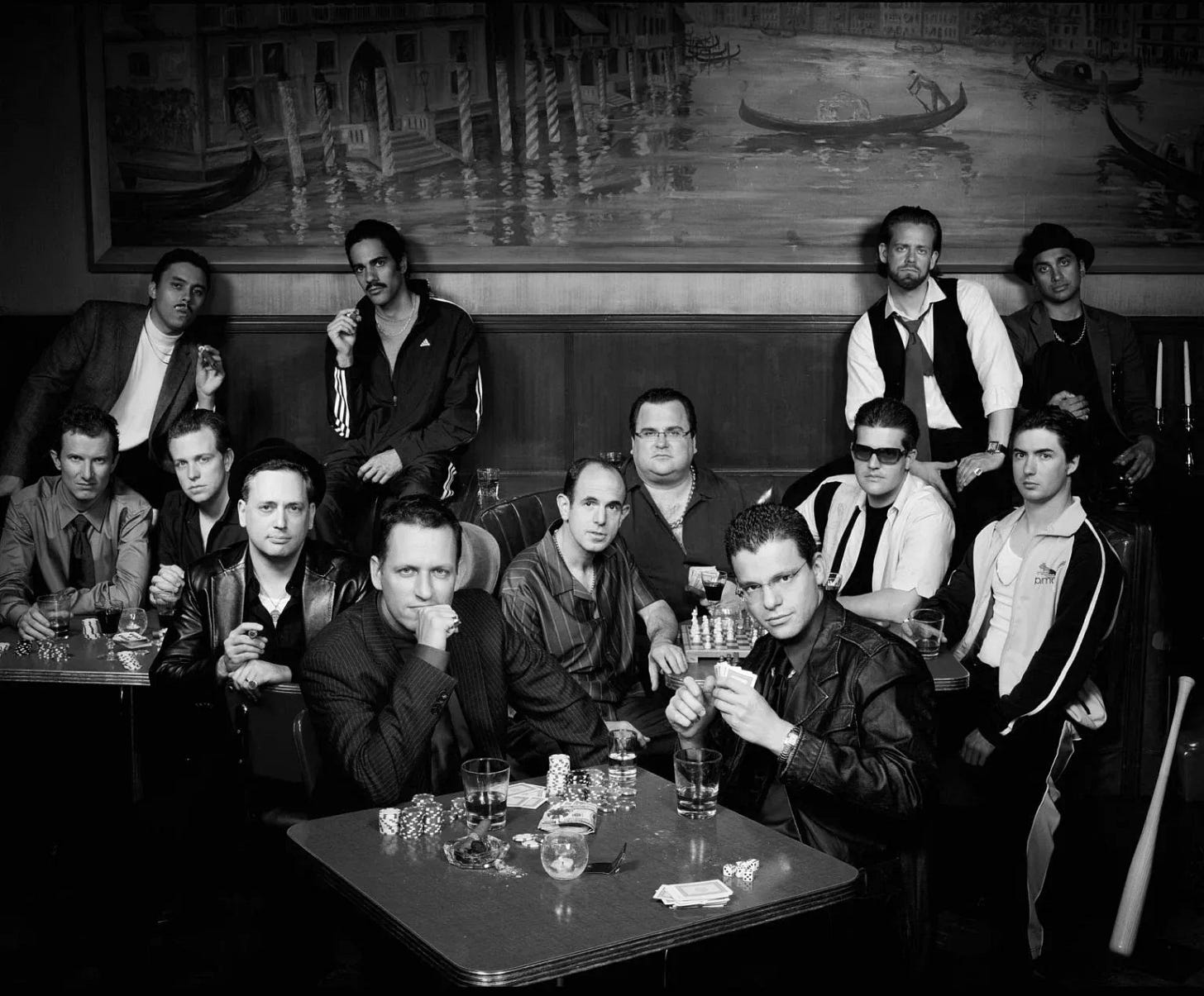
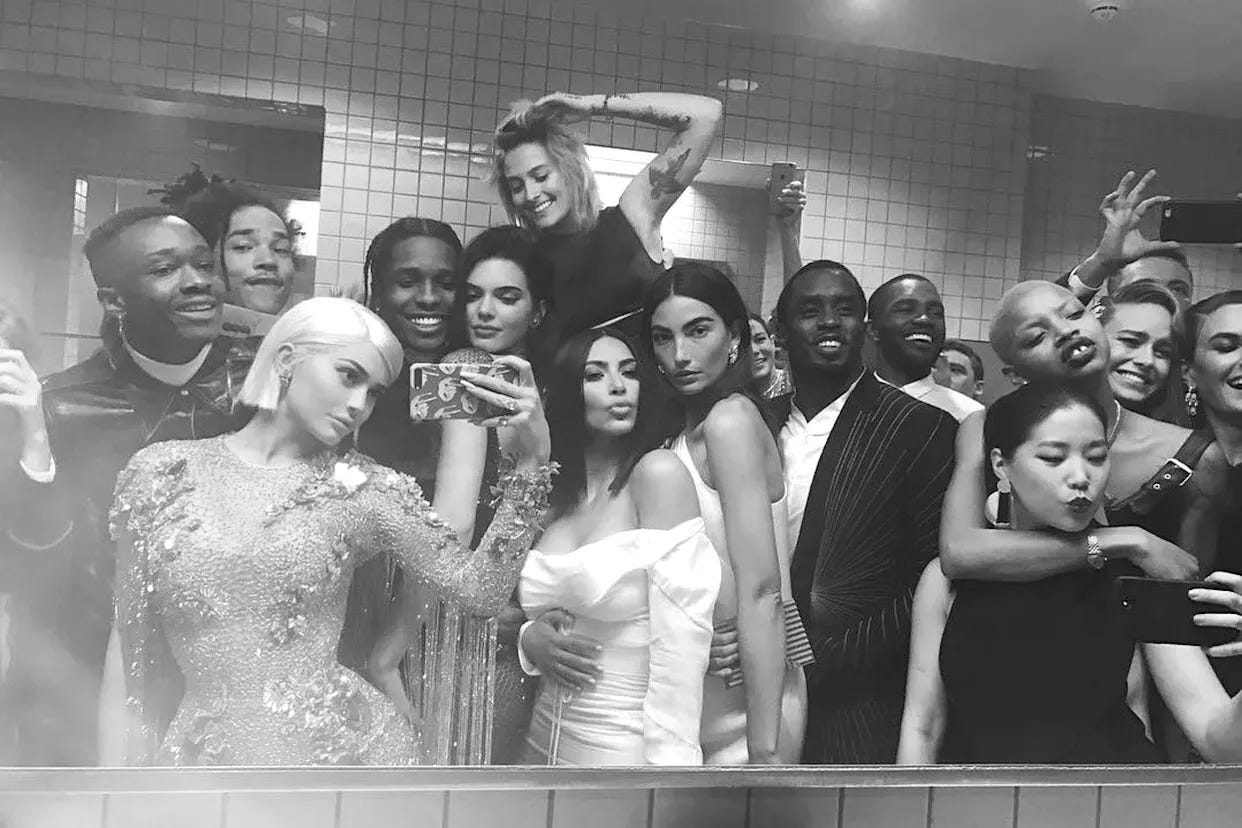
INSIDER AUDIENCES ARE MORE VALUABLE THAN THEIR SIZE. A show with 50,000 highly valued viewers can matter more than one with five million random ones. Friends have mentioned the similarity to Kevin Kelly’s “1000 True Fans”—but this isn’t about direct patronage; in that way, this wave blends old and new worlds. ROI is less important than the audience roster and your mutuals. Audience Market Cap is the metric that matters.
The average person who starts a podcast wants to take a shot at building an audience of mostly strangers, making some money, and maybe becoming famous. The tech insider who starts a podcast for tech insiders wants something distinct: a respectable way to meet people they respect, deeper participation in their social and intellectual circles, and leverage for future opportunities in their field (and if fame, money, and status happen to arrive along the way and push them to go all-in, great).
Every media property has a combination of status, entertainment, and utility (inspired by Eugene Wei.) These axes are scalable—more of each is mostly better. Prestige is different. It depends on restraint and rewards selection.
PRESTIGE IS PERCEIVED TASTE LEGITIMACY. Prestige is earned through taste discipline and operates on a curve: past the taste optimum, more is bad. It becomes tryhard, tacky, or tasteslop. Prestige emerges when a group believes someone consistently demonstrates superior judgment.
PRESTIGE EARNS STATUS, BUT IS NOT REDUCIBLE TO STATUS. Status comes from the position and influence of cast, collaborators, consumers, and tastemakers. Prestige can be earned in more ways and in a more meritocratic sense than status, whether on the basis of “taste” as aesthetic or intellectual rigor (the likes of SemiAnalysis and The Dwarkesh Podcast come up often for the latter).
Stripe Press is a beloved expression of taste discipline. Each book is produced as a timeless artifact and arrives slowly and quietly. Thrive Capital is the model of restraint: almost no media output and all prestige calibrated. The All-In podcast is the inverse: the cast is high status, but the personas and production aren’t strictly taste-disciplined.
IN THE INSIDER MEDIA GAME, PRESTIGE IS THE COVETED LANE.
 Founders Fund@foundersfundMAFIA EP 0015:14 PM · Jun 4, 2026 · 3.21M Views469 Replies · 348 Reposts · 6.34K Likes
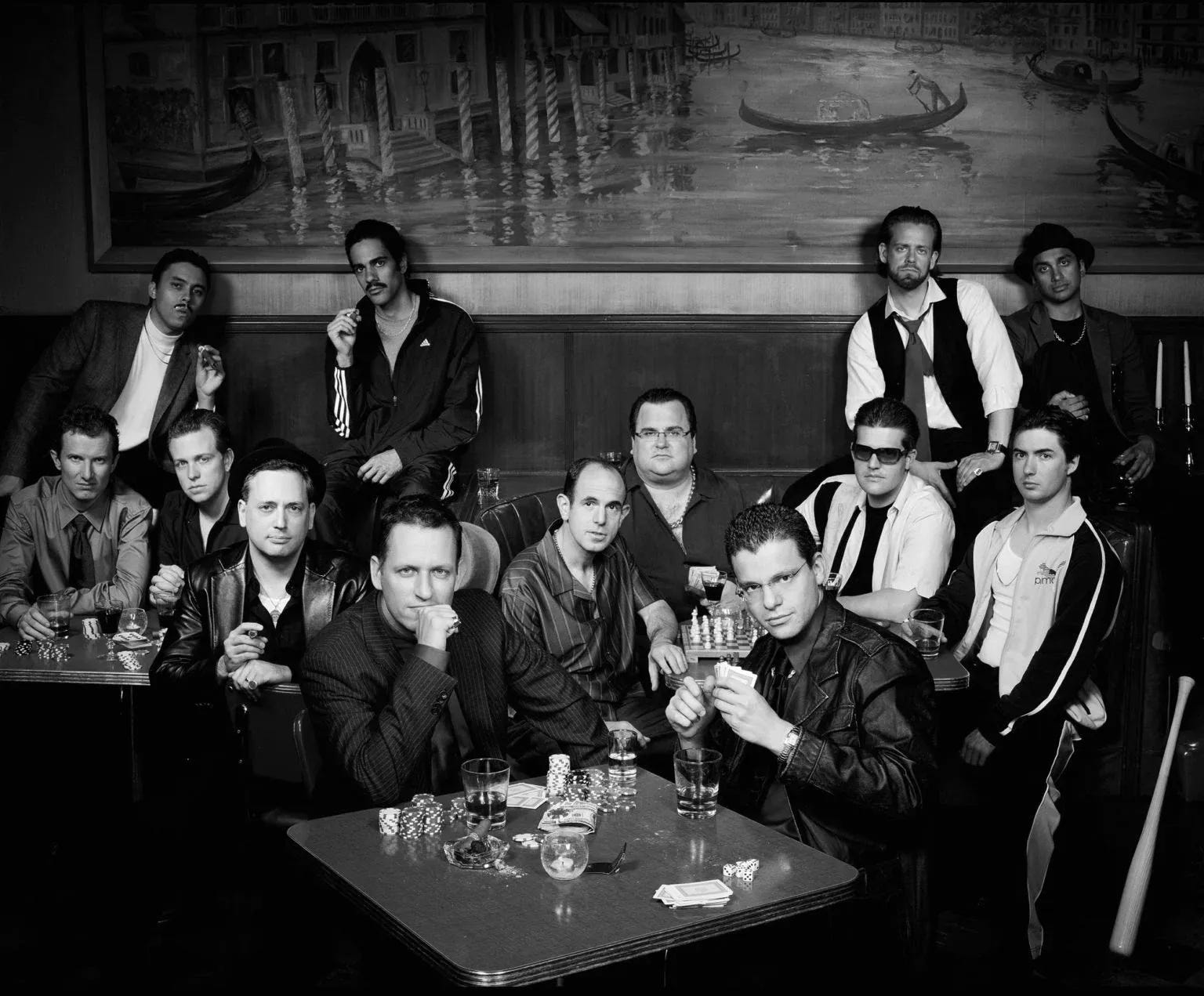
Founders Fund just launched a show where tech-famous founders and investors play Mafia, with parallels to Celebrity Traitors. It’s the most Prestige Insider Media entry since TBPN (whose deserved arc has forced people to take tech shows seriously). Tech Twitter has certified Mafia as good. So far, it is.
Still, I have notes. The more the players have real-world reputation, the more careful they are in victory and defeat. The show works if it still creates opportunities for character revelation and weakens if the premise is too focal or the cast becomes too self-conscious. It needs more parlor talk (intro bar scene), lounge clips, confessionals, and parasocial continuity while ideally the cast rotates. Else there’s a good chance we get bored and just want the cast’s thoughts on the current things.
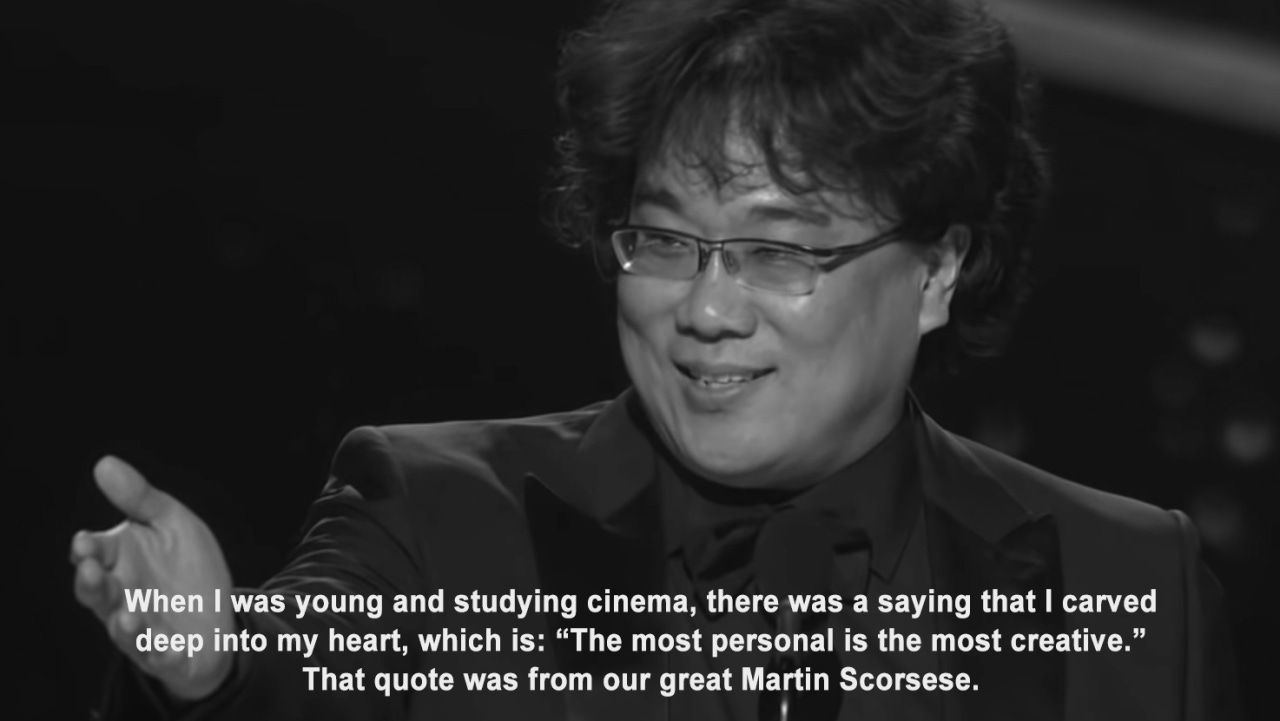
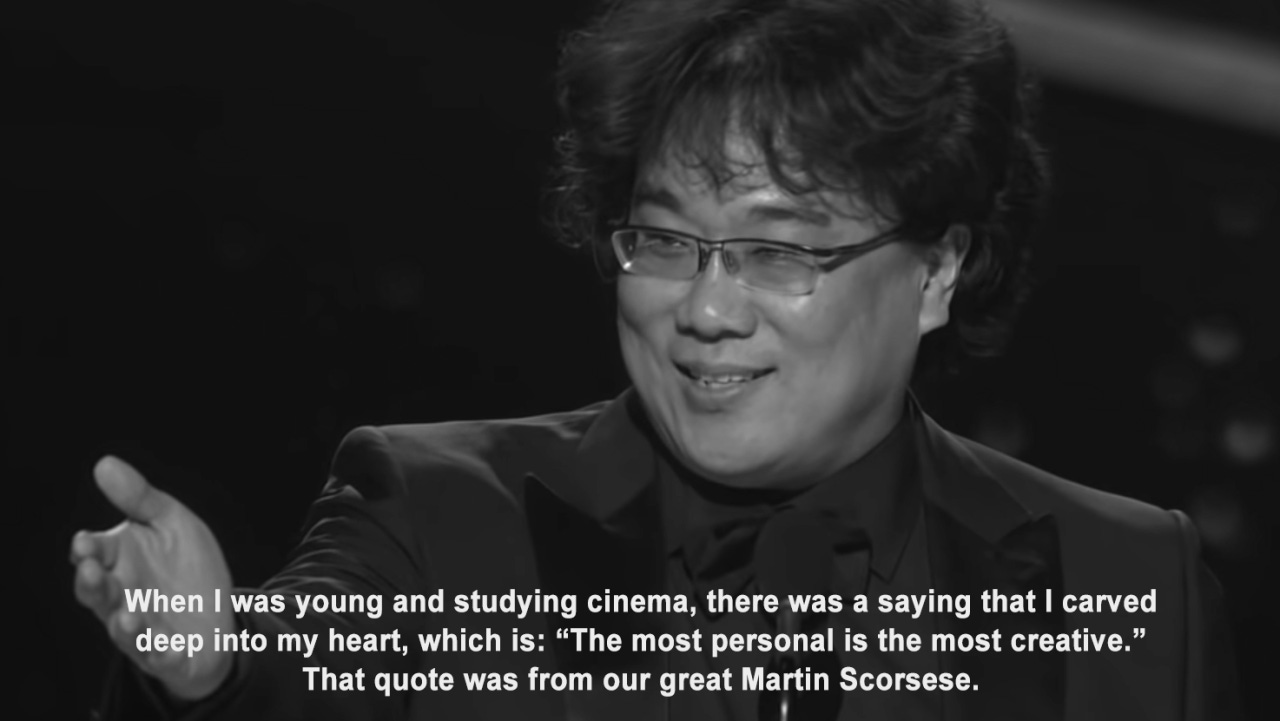
INSIDER PRESTIGE PUNCHES ABOVE ITS WEIGHT. TBPN's Hollywood embrace is this unfolding. A show translating tech for everyone would have been too generic; leaning into the inside is the prestige track to crossing over. Make the thing the insiders can’t miss, and there’s a good chance outsiders follow. A related maxim I hold on to: “The most personal is the most creative”—Martin Scorsese via Bong Joon Ho.
INSIDER MEDIA ALWAYS HAS A STORY AND A META-STORY. The content is one story. It comes with parasocial intimacy with the characters. The people making it are another story. The meta-game they’re playing and game-state visibility into the room is the second draw. Insider Media is so fun and addictive because of these dual stories—a dynamic we’ve seen with TBPN and with the Substack Feed Me among the NYC business-media-creative class (and in a case study I know too well: Clubhouse’s early rise).
Much of the energy around the Mafia launch is about the meta-story. With high-powered real-world figures as the cast, the fun becomes personality profiling, sentiment analysis, and corporate recon. It’s off-script access to people you might invest in, work for, or compete against. Discussing VC branding, power rankings, and the whole meta-game that Founders Fund and Mike Solana are playing is at least half the insider fun.
 anu@anuatluruMake something people want to watch you make.
 anu @anuatluruMake something people want to watch.8:39 PM · May 10, 2026 · 7.74K Views4 Replies · 5 Reposts · 128 Likes
THE POST BECAME THE PODCAST, AND THE PODCAST WILL CEDE GROUND TO THE SHOW. “Building in public” was once the insider play. But there’s a tradeoff between perma-dripping raw updates and saving it all for big moments. And with all the noise, you now need slick narrative and polish on top of the raw footage (and as I’ll repeat, the pendulum always swings).
The demand for character revelation impacts the format. The podcast and interview talk show has a built-in problem: the guest knows they’re being interviewed. They tell flattering stories they’ve told a hundred times. Hosts lob softballs to protect access. Insider’s subjects become their relationships. No shock Insider Media skews sycophantic. Overcompensation manifests via performative profundity: lowered voice, engineered pause, mmms and mmmhmms of poignancy, “say more.” People may not call it out but it’s felt.
Premise-driven shows are up. Aspirationally, they give you character revelation through the freeing nature of constraints. Then there are the insider profiles in the style of legacy prestige magazines. Colossus is the new standard-bearer. SF Alexandria, New Ontologies, Early Days are upstarts. These skew sycophantic too but with license to narrate more character complexity.
NOVELTY CAN’T BE COPIED BECAUSE IT EMERGES FROM FIT. There are calls across Tech Twitter to clone popular formats for tech (Hot Ones, Shark Tank, MTV Cribs, etc). My strong opinion: Format-recasts fall flat, and rarely win. TBPN gets called ESPN for tech, but that’s just aesthetic observation. Mafia mimics Traitors, but it’s more about the fit with tech.
I see so many technically competent Insider Media projects with expensive sets, high production value, and popular formats that are still culturally dead. There is no substitute for being top 0.01% great at something highly visible. It’s best if your edge is a quality of the people, not the production. I say casting is everything because the secret sauce is always the characters.
The easiest thing to copy is “format.” Subway Takes is a good example of format superiority, but the novelty comes from the fit between Kareem, New York, the guests, the quirks, and the show’s constraints. Status and celebrity can draw audiences at first. But a true hit requires the creator, cast, format, premise, and moment to reinforce each other. Novelty emerges from fit (and fun).
CAPITAL IS INCREASINGLY TABLE STAKES, BUT CULTURAL POSITION ISN’T. Every venture capital firm wants to punch above its weight as talent, capital, and attention concentrate into fewer hands. Tech has never led culture in the broad sense, but it’s paying more attention to its culture and cultural power. Every conversation I’ve had with VCs of late has found its way to narrative and storytelling. We’re in the era of venture capital as war between media teams, each with their own ideology and aesthetic, and house style of newly minted creative roles. (Credit where due: A16Z reclaimed “new media” and made the coinage stick, despite the memetic flack. I quite like Alex Danco’s articulation of the role firms play in providing legitimacy.)
Insider Media helps institutions that are smaller than their rivals become culturally larger than them. Prestige Insider Media is powerful because it converts judgment into influence—and judgment is independent of scale.
FEW INSTITUTIONS HAVE TO PLAY THE INSIDER AND OUTSIDER GAME SIMULTANEOUSLY AND AT SCALE AS VISIBLY AS AI LABS DO. AI labs are competing for belief as much as customers. AI itself is an inherently hard protagonist to root for. It’s abstract, threatening, fast-moving, and ultimately inhuman. The frontier AI labs’ products and people need to be inside-the-room coveted and outside-the-room trusted. The jobs-narrative whiplash—AI will take all the jobs, then it won’t—is the insider/outsider narrative tension showing its seams as AI diffuses along the adoption curve. It is a fascinating challenge, and fascinating to watch. There is nowhere else such high leverage narrative experimentation is happening so fast right now.
And hence—the TBPN/OpenAI deal made so much sense because TBPN has become the rare Insider Media property with perfectly cast human hosts and intense cultural gravity. True rarity is having such standing in both worlds. Expect to see more poaching of unicorns with insider-outsider leverage. (I wrote on the Riley Walz/Pete Steinberger/Farzas of the moment in my last.)
SILICON VALLEY’S MOST VALUABLE AUDIENCE IS SILICON VALLEY (AND WHOEVER IT ADMIRES). No world is more tailor-made for Insider Media—the unusually high concentration of money and power and the foundational belief that anyone could be the next to be right and early.
TECHNOLOGY USED TO BE A NICHE, BUT INCREASINGLY, TECHNOLOGY IS CULTURE. “Tech” is now the intersection of tech and business and media and entertainment and politicso and government and international affairs and science and religion and. The Ambitious from every industry are eyeing tech.—The world is getting nerdier too. More and more outsiders curious about Silicon Valley or Formula 1 or the art of making sushi don’t want it watered down. As power niches become more culturally relevant, more want in, and everyone else wants to watch the craftsmen inside, guard down, playing for real stakes. There’s room for translators and explainers, but earnestly performing for yourself and each other is the real show.
Every Silicon Valley blog, podcast, video, and show now competes in the Insider Media game. Trying to win New Media is trying to win Insider Media. Prestige Insider Media is the highest-status game within the game.
The games will continue until there are no stories left to tell and nothing new left to make, which is to say, they’ll continue forever.—But to break the fourth wall for a minute: Players beware. I’m not saying the attention game is the only game that should be played. I am saying these are consequential worlds of previously unimaginable scale, and we’re in a time of convergence and consolidation in which the pursuit of valuable attention looks specific. And the pendulum always swings! The arbitrage equation usually decides when.—But there is always an art to narrative and manifesting the reality-distortion field needed to create new worlds. There is a wide spectrum from cultural to commercial, fun to fearful, earnest to egoic—where you choose to play is highly personal. I’ve been both insider and outsider, creator and consumer and anthropologist. What I personally care about is what is rooted in human experience and is intrinsically great, palpably fun, and appreciably new. For all this time we’ve called it new media—let’s see something new.
SILICON VALLEY HAS FINALLY INVENTED REALITY TELEVISION FOR ITSELF. We have made the game we play watchable, and the people making the show are part of the cast—and there’s no game we’d rather watch than the one we play. In the end, it’s all fun and games, and TV.



“I don’t necessarily agree with everything I say.” – Marshall McLuhan
Thanks for taking the time to read, and perennial thank you to my patrons. If you enjoyed this essay, please share with a friend or community here or on X. DMs welcome.


This is smart. When I launched Newcomer I positioned it as "insider" writing in the first line of the post. I have to balance my experience in journalism and honoring some of those values while delivering writing that really gets where Silicon Valley's head is at and feels of the industry. When we covered the Pirate Wires mafia game a big component of that piece was the meta story.
This substack is trending towards insider media...I can see you being on the next season of mafia :)